In the world of upholstered furniture, the choice of fabric often determines the soul of a sofa. Fabric offers softness, synthetic leather provides affordability, and faux leather promises easy maintenance—the myriad of options on the market can leave consumers overwhelmed. However, when we turn our gaze to high-end furniture that truly stands the test of time, a consensus gradually emerges: fine leather is the premier choice for upholstered furniture.
This is no coincidence, but rather the result of genuine leather’s irreplaceable natural advantages across multiple dimensions—breathability, durability, aesthetic value, and emotional connection—earning it this well-deserved crown.
Natural Breathability, Unparalleled Comfort
A fine piece of leather, above all, is one that “breathes.”
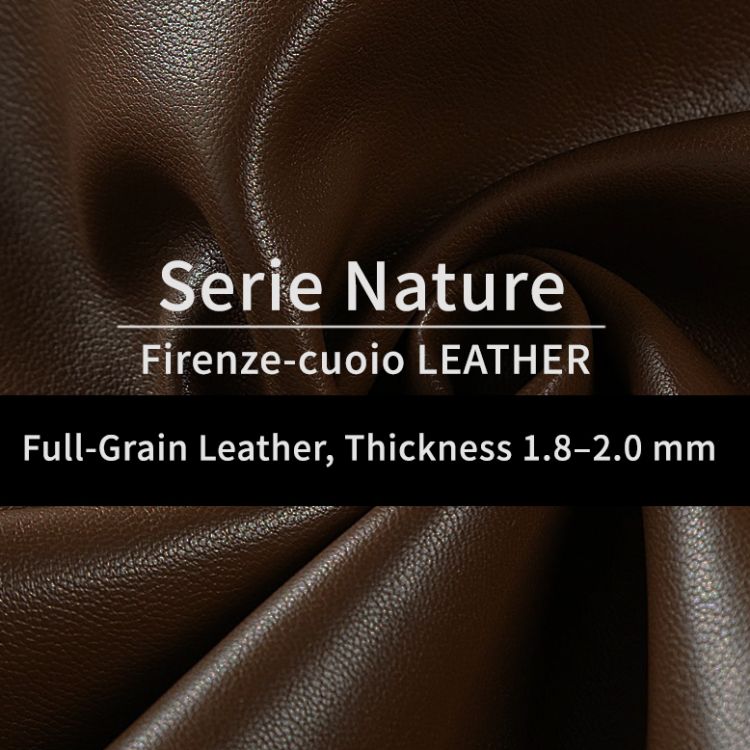
Unlike synthetic materials, genuine leather retains the natural pores and fibrous structure of animal hide. This means it can automatically adjust to ambient temperature and body heat—keeping you cool in summer without feeling stuffy, and warm in winter without being chilly, always maintaining a perfectly temperate, soothing touch. Firenze-Cuoio’s “Nature” series semi-aniline leather, with its 2.0 mm thickness, retains its natural grain texture while undergoing a gentle finishing process. When you sit or recline, the contact between skin and leather conveys a comfort that truly belongs to nature.
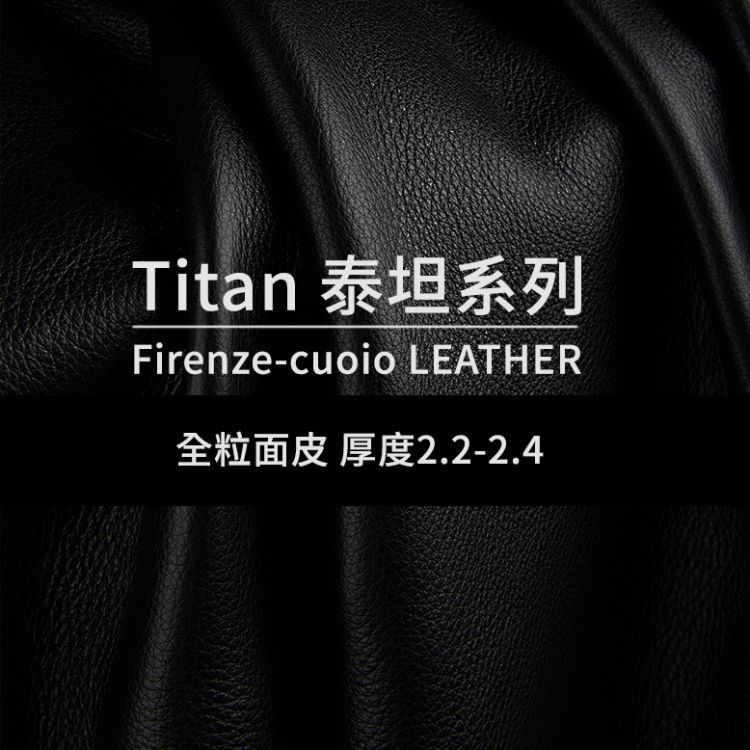
The even more premium full-aniline leather, such as the “Titan” series, takes this natural tactility to its zenith. With no surface correction or only the lightest finish, its pores are fully open, offering optimal breathability. Even with prolonged use, it never develops the sticky, clammy feel common in faux leather. For sofas and beds that are in close contact with the body every day, this “breathing” quality is a level of comfort that no man-made material can replicate.
The Patina of Time, Age That Enhances Character
If comfort is the entry-level standard for leather goods, then “improving with age” is where fine leather truly reveals its magic.
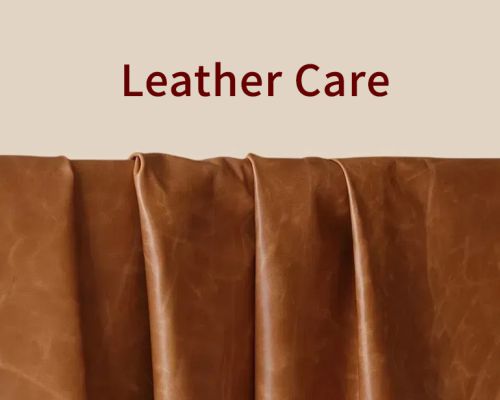
A high-quality leather sofa does not “age” over time; instead, it gradually develops a unique, matured character—its color deepens subtly, its luster grows warmer, and natural grain markings blend with daily use to form a patina that embodies the passage of time. This is precisely the aesthetic that Firenze-Cuoio’s “Chronicle” series waxed leather celebrates: with each touch, the wax layer slowly permeates, and the surface inscribes the user’s own story across time.
This quality of “becoming more beautiful with use” distinguishes genuine leather furniture from disposable fast-moving consumer goods, transforming it into a long-term asset that can accompany a family for ten, twenty years, or even be passed down through generations. In an era that increasingly values sustainability and long-termism, leather’s value has never been more apparent.
Resilience and Durability, Quality That Withstands the Test
Beyond the aesthetic appeal of “beauty that improves with age,” genuine leather’s physical durability is equally impressive.
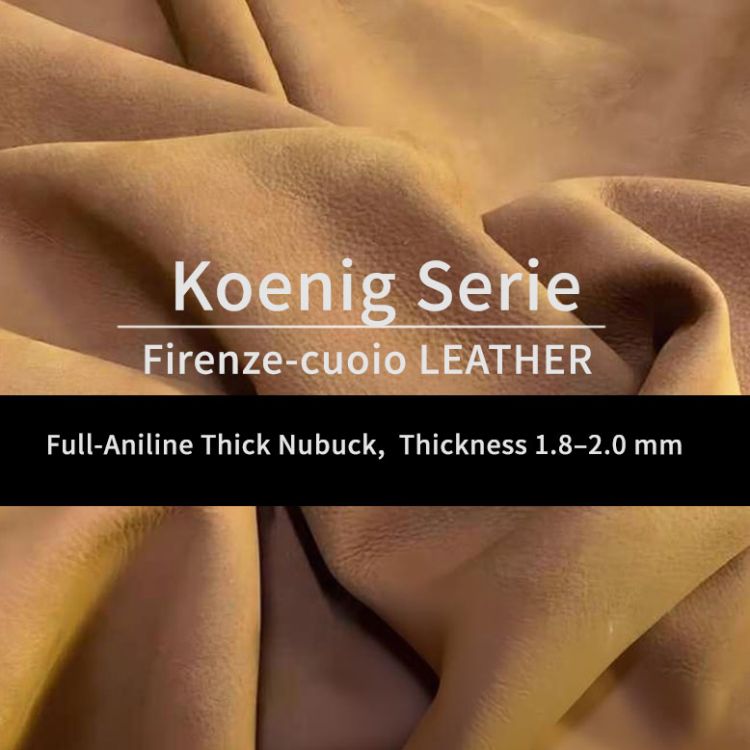
High-quality leather offers excellent tensile and tear strength. Firenze-Cuoio’s “Koenig” series nubuck leather, with a thickness of 1.8–2.0 mm and deeply colored through a drum-dyeing process, combines flexibility with structural integrity, maintaining stable strength even on frequently used upholstered furniture. The “Titan” series full-aniline leather, with its substantial 2.4 mm thickness, takes durability to new heights, meeting the stringent material requirements of high-end custom furniture.
It is also worth noting that genuine leather possesses a certain self-healing ability. Minor scratches can be diminished by gently rubbing with a fingertip or soft cloth, utilizing the leather’s natural oils. This stands in stark contrast to faux leather, which cannot be repaired once scratched. In daily use, this “forgiving” nature makes leather furniture more worry-free and long-lasting.
Sophisticated Texture, Enhancing Interior Aesthetics
Upholstered furniture often serves as the visual centerpiece of a space, and its fabric’s texture directly influences the overall ambiance.
Genuine leather’s unique luster, grain, and tactility convey an understated yet sophisticated aesthetic language. It can embody the restrained, primal beauty of the “Nature” series, the solid, powerful presence of the “Titan” series, the matte warmth of the “Koenig” nubuck, or the deep, oily sheen of the “Chronicle” waxed leather. Each texture engages in a dialogue with different spatial styles.
More importantly, the texture of genuine leather is “authentic.” It does not hide or disguise; every grain and every pore tells its origin story with honesty. In an era saturated with synthetic materials and superficial imitations, this authenticity has become a rare and precious quality.
Firenze-Cuoio: Crafting Fine Leather with Italian Artisan Spirit
Of course, not all leather is qualified to be the “premier choice” for upholstered furniture. Only “fine leather”—meticulously sourced and expertly crafted—can deliver on all the promises outlined above.
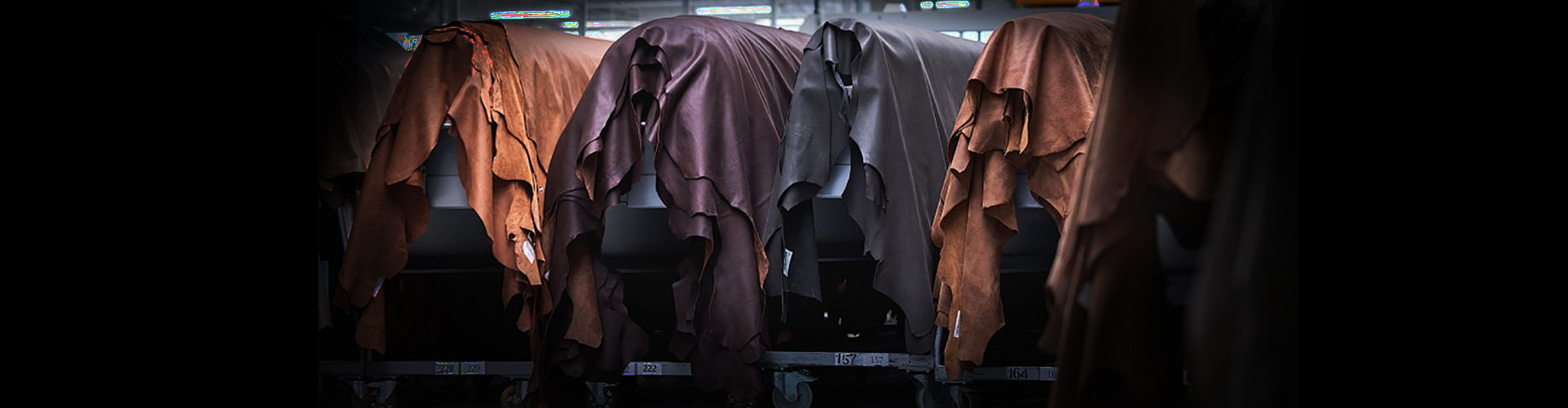
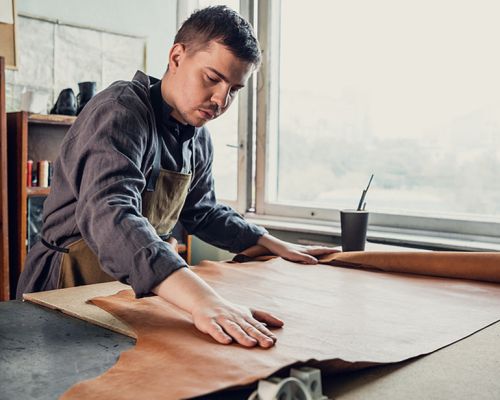
Firenze-Cuoio understands this deeply. This leather brand, rooted in Florence, Italy, insists on completing every step of production within Tuscany’s traditional tanning district. From the initial selection of raw hides, the brand applies rigorous standards to source premium materials. In the tanning process, the commitment to drum-dyeing ensures that color penetrates deep into the fibers rather than merely sitting on the surface, guaranteeing color stability over years of use. In product planning, from the 1.4 mm waxed leather to the 2.4 mm full-aniline, from semi-aniline to nubuck, Firenze-Cuoio offers a comprehensive range of leather solutions for diverse upholstered furniture applications.
Conclusion
Choosing the fabric for upholstered furniture is, at its core, an expression of one’s lifestyle. Selecting fine leather is not merely choosing a material; it is a long-term commitment to comfort, durability, and aesthetic excellence.
In this era of fast-paced consumption, more and more people are re-evaluating what constitutes “truly worthwhile furniture.” The answer, perhaps, lies within a piece of fine leather that breathes, ages gracefully, and accompanies you through the long journey of time. Firenze-Cuoio invites all who appreciate the beauty of genuine leather to join in experiencing the true essence of quality living.